
Glaucoma Treatment
- Home
- Glaucomas
Glaucoma Treatment in Mohali
Glaucoma is a group of eye diseases that can damage the optic nerve, the connection that carries visual information from your eye to your brain. In many cases, glaucoma develops gradually without noticeable symptoms. This is why regular eye examinations are important, particularly for people who have risk factors such as increasing age, family history of glaucoma, high eye pressure, diabetes, previous eye injury or long-term steroid use.
If you are looking for glaucoma treatment in Mohali, iiSight Charitable Eye Hospital provides ophthalmic evaluation and personalised treatment planning based on your eye condition.
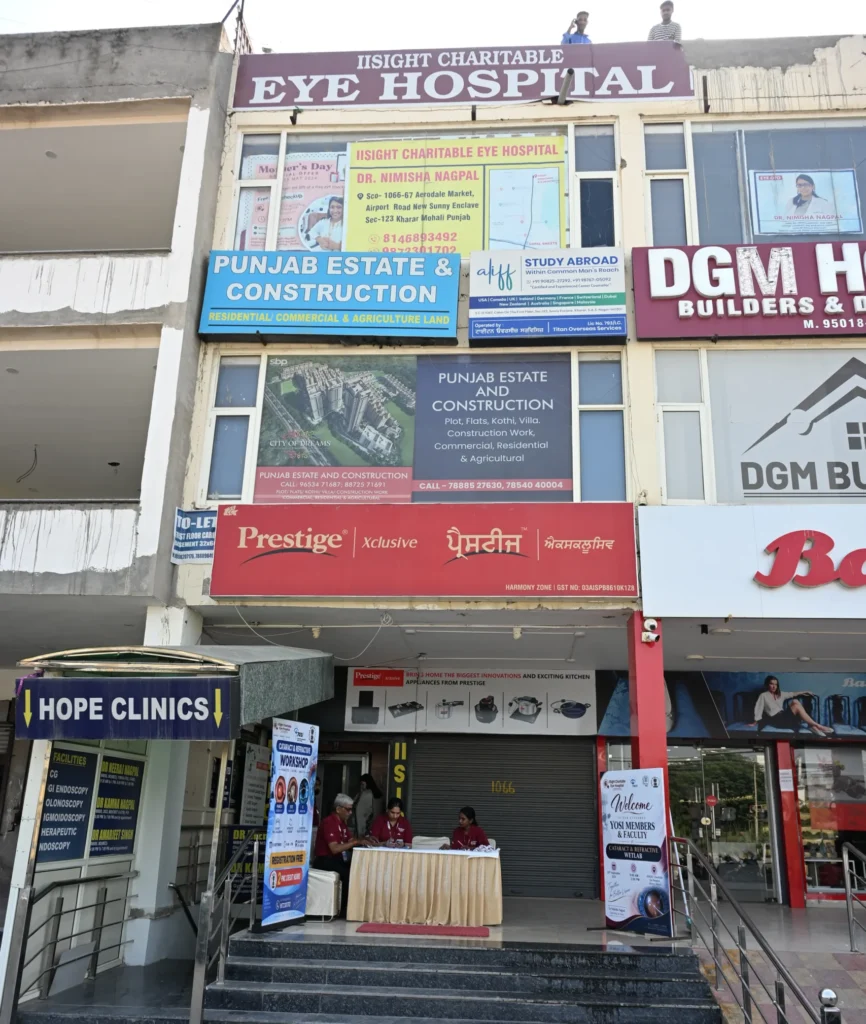
The hospital is located at SCO 1066-67, Aerodale Market, Airport Road, New Sunny Enclave, Sector 123, Sahibzada Ajit Singh Nagar, Punjab 140301, making it accessible for patients from Mohali, Kharar and nearby areas.
Glaucoma damage that has already occurred cannot generally be reversed, but appropriate treatment can help reduce the risk of further optic nerve damage and preserve remaining vision.
What Is Glaucoma?
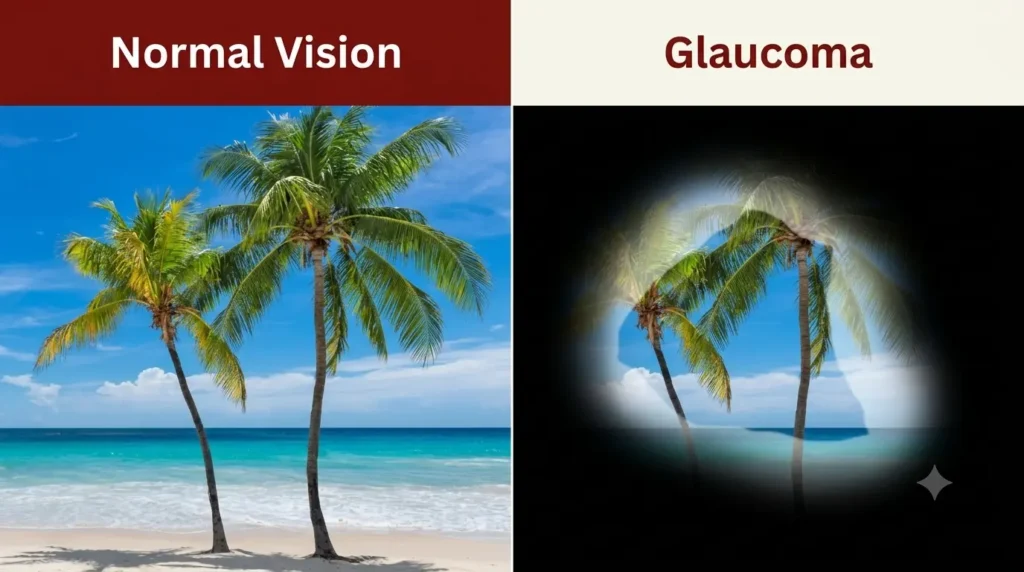
Glaucoma occurs when the optic nerve becomes damaged. Increased intraocular pressure (IOP) is an important risk factor, but glaucoma can also occur when eye pressure is within a statistically normal range, known as normal-tension glaucoma.
There are several forms of glaucoma, including:
- Primary open-angle glaucoma
- Angle-closure glaucoma
- Normal-tension glaucoma
- Secondary glaucoma
- Childhood glaucoma
Open-angle glaucoma commonly develops slowly and may cause little or no noticeable change in vision during its early stages. Peripheral or side vision can gradually become affected as the disease progresses.
Symptoms of Glaucoma You Should Not Ignore
One of the challenges with glaucoma is that it may not produce obvious symptoms in its early stages. Many people discover they have glaucoma during a routine eye examination
Possible symptoms as glaucoma progresses may include:
Gradual loss of peripheral or side vision Difficulty seeing in certain situations Blurred vision Seeing halos around lights Increasing difficulty with vision in advanced disease Sudden symptoms are particularly important.
Symptoms of acute angle-closure glaucoma
A sudden attack can cause: Severe eye pain Sudden blurred vision Redness of the eye Headache Halos or rainbow-coloured rings around lights Nausea or vomiting These symptoms can indicate an eye emergency and require urgent medical assessment
What Causes Glaucoma?
Inside the eye, a clear fluid called aqueous humour is continuously produced and drained. If drainage does not work properly, fluid can accumulate and eye pressure may increase.
Persistently elevated pressure can contribute to optic nerve damage. However, eye pressure alone does not determine whether someone has glaucoma. Some people develop optic nerve damage despite having eye pressure within the normal range.
Risk factors can include:
- Family history of glaucoma
- Increasing age
- High intraocular pressure
- Near-sightedness or far-sightedness
- Previous eye injury
- Long-term steroid use
- Diabetes and certain other medical conditions
- Certain structural characteristics of the eye
- Previous eye inflammation or other eye diseases
Having a risk factor does not necessarily mean you have glaucoma. A comprehensive eye examination is needed to assess your individual risk.
Who Is at Higher Risk of Glaucoma?
You should discuss glaucoma screening with an ophthalmologist if you:
- Have a parent, sibling or other close family member with glaucoma.
- Are over 40, particularly as risk increases with age.
- Have previously been told that your eye pressure is high.
- Have diabetes or certain other medical conditions.
- Have significant short-sightedness or long-sightedness.
- Have experienced an eye injury.
- Have used steroid medicines for a prolonged period.
- Have previously been diagnosed as a glaucoma suspect.
Glaucoma Diagnosis at IISIGHT Charitable Eye Hospital
A single eye-pressure measurement is not enough to diagnose glaucoma. A complete glaucoma evaluation may involve several assessments that allow an ophthalmologist to evaluate eye pressure, the optic nerve, visual function and the structure of the eye.
Depending on your symptoms and risk factors, your eye doctor may recommend:
Eye pressure measurement
Intraocular pressure is measured to identify elevated pressure and monitor changes over time.
Optic nerve examination
The optic nerve is examined for signs of structural damage or changes associated with glaucoma.
Visual field assessment
A visual field test evaluates your peripheral vision and can identify areas of reduced visual sensitivity.
Corneal thickness assessment
Corneal thickness can influence the interpretation of eye-pressure measurements and may form part of a glaucoma assessment.
Optic nerve imaging
Imaging may help document the appearance of the optic nerve and provide measurements that can be compared during future visits.
Your ophthalmologist will determine which investigations are appropriate for your individual condition.
Glaucoma Treatment in Mohali
The purpose of glaucoma treatment is generally to reduce the risk of further optic nerve damage and preserve vision. The appropriate approach depends on the type and severity of glaucoma, eye pressure, optic nerve findings, visual field results and other individual factors.
1. Glaucoma Eye Drops and Medicines
Prescription eye drops are commonly used to lower intraocular pressure. Depending on the medicine, they may reduce fluid production inside the eye or improve fluid drainage.
Patients should use glaucoma medicines exactly as prescribed. Do not stop glaucoma medication on your own, even if your vision feels normal.
Your ophthalmologist may adjust the medicine depending on eye-pressure readings, treatment response and possible side effects.
2. Laser Treatment
For selected patients, laser treatment may be considered.
The type of laser procedure depends on the glaucoma mechanism and the anatomy of the eye. For example, different laser approaches may be used for open-angle and angle-closure glaucoma.
Your ophthalmologist will assess whether laser treatment is appropriate before recommending a procedure.
3. Glaucoma Surgery
When medicines or laser treatment do not provide adequate control, or when the disease requires a surgical approach, glaucoma surgery may be considered.
The exact procedure depends on the patient’s diagnosis, disease severity, previous treatment and other eye-health factors.
The objective is to control eye pressure and reduce the likelihood of additional optic nerve damage.
Why Choose iiSight Charitable Eye Hospital for Glaucoma Care?
Choosing glaucoma care involves more than simply measuring eye pressure. Long-term monitoring and personalised treatment planning are important because glaucoma can change over time.
At iiSight Charitable Eye Hospital, patients can discuss their eye concerns with Dr Nimisha Nagpal, an ophthalmologist associated with the hospital.
Publicly available professional listings identify Dr Nimisha Nagpal with qualifications including MBBS, MS Ophthalmology and DNB, with additional fellowship training in ophthalmology.
The hospital is located in New Sunny Enclave, Sector 123, Kharar/Mohali, and serves patients from Mohali and nearby areas. Public information also lists iiSight Charitable Eye Hospital’s contact numbers as 81468-93492
For glaucoma patients, the focus should be on accurate assessment, appropriate treatment selection, medication adherence and scheduled follow-up.
FAQ
Is high eye pressure always glaucoma?
No. High eye pressure is an important risk factor, but it does not automatically mean that a person has glaucoma. Conversely, glaucoma can occur even when eye pressure is within the normal range. A comprehensive examination is required.
Can glaucoma have no symptoms?
Yes. Many forms of glaucoma, particularly open-angle glaucoma, can develop without noticeable symptoms in the early stages. This is why regular eye examinations are important.
How is glaucoma diagnosed?
Glaucoma diagnosis may involve eye-pressure measurement, optic nerve examination, visual field testing, assessment of the drainage angle, corneal thickness measurement and optic nerve imaging, depending on the patient’s needs.